Lightning Protection Systems: Safeguarding Naperville Homes From Storm Surges
Increased utility charges can be attributed to multiple elements including the electricity usage of your domestic equipment, underperforming climate control systems, inadequate home insulation, standby power click here consumption from devices, and even changing weather patterns. Your energy supplier's pricing model also has a major impact. If you're running high-consumption devices, your expenses tend to rise. Unexpectedly large invoices may indicate failing domestic installations. By examining these factors closely, you'll uncover ways to reduce your bill and improve your household's power efficiency.
Essential Takeaways
Decoding Your Electric Bill: Understanding Rates and Energy Use
Have you questioned why your power bill keeps climbing? Often, it's not just about how much energy you're using, but also about your provider's billing structure and rate changes. The fact is, providers calculate bills differently. Some operate with a progressive rate system, where the price per kilowatt-hour increases as you consume more power. Some utilize time-of-use rates, charging more during peak hours. Seasonal variations affect pricing too. As an illustration, rates are generally increased in summer due to peak consumption. It's vital to comprehend these elements because they impact your costs regardless of your usage patterns. Therefore, examine more than consumption - review your rate structure as well.
The Effect of Household Electronics on Your Energy Bill
Your household appliances might be the main factor behind your elevated electricity costs. The power consumption varies by appliance, which affects your overall power consumption. To control your expenses, it's crucial to understand and minimize the power consumption of these devices.
Power Consumption of Household Appliances
Understanding the power consumption of your household appliances can shed light on that high power bill. Each device in your home, including washers and refrigerators, has different power requirements. Power-efficient units usually use less power, saving money over time regardless of their bigger upfront price. Additionally, appliance lifespan has a significant impact in electricity use. As appliances get older, they typically grow less efficient, causing greater electricity use. To illustrate, an old inefficient refrigerator might use three times the energy of a modern, power-saving unit. As a result, learning about how much power your appliances use is important for controlling your electricity costs.
Lowering Energy Consumption of Appliances
Though it may look difficult, reducing your appliance energy consumption is not just possible but also highly beneficial for both your wallet and the environment. Energy-efficient appliances can create substantial changes, as they're built to minimize power consumption. Some models even offer eco-modes that further decrease energy usage. However, it's not just about what appliances you use, but the way you operate them. Minimize usage during peak energy periods to dodge premium charges. Think about scheduling an energy assessment. This comprehensive review of your home's energy use can identify areas where you're losing energy and offer improvement options. Keep in mind that all improvements matter, and collectively they can create notable decreases in your power expenses.
Smart Lighting Solutions: Reducing Your Energy Costs
Curious about how switching to energy-efficient lighting can significantly reduce your electric bill? The secret lies in the benefits of LED technology. Standard incandescent bulbs consume a lot of energy to produce light, primarily through heating a filament. LEDs, in contrast, employ semiconductors to change electricity directly into light, making them more energy-efficient. A basic lighting upgrade to LEDs can result in substantial savings on your electric bill. Furthermore, LEDs have a longer lifespan than traditional bulbs, lowering replacement costs. They also operate at a cooler temperature, which can assist in keeping your home cooler, an additional way to cut energy costs. Therefore, by making the switch to energy-efficient lighting, you're creating a more luminous, more cost-effective future.
The Influence of HVAC Systems on Energy Costs
Many people don't know that your HVAC system might be the primary reason behind your elevated utility costs. To properly comprehend this, you must learn about how HVAC energy consumption works and explore ways to improve system efficiency. Pay attention to the additional charges related to HVAC systems, as they can also greatly impact your energy costs.
Understanding HVAC Energy Usage
Have you ever wondered how much energy your HVAC system uses? It's a key component in your elevated electric bills. HVAC systems, consisting of heating, ventilation, and air conditioning, are usually the biggest energy users in any residence. Periodic energy audits can show the full scope of this consumption actually is. These audits evaluate your appliances' energy consumption and identify efficiency problems. Your HVAC system might be working excessively due to insulation issues, system leaks, or inefficient units, which leads to high energy usage. Understanding this can help explain why your energy costs are elevated. Keep in mind, knowledge of your HVAC energy consumption is a vital first step in controlling your energy costs.
Maximizing HVAC Energy Usage
Why do heating and cooling systems impact your energy bills so significantly? This occurs because inefficient systems consume excess energy, resulting in higher costs. Installing smart thermostats is an excellent way to boost efficiency. They learn your patterns and make automatic adjustments, saving energy during periods of absence or sleep.
Energy audits are an essential resource. An auditor examines your home, pinpointing energy loss points and delivering optimization strategies. They often suggest sealing air leaks or enhancing thermal barriers, for instance. By enhancing your system's performance and implementing energy-saving improvements, you'll notice a substantial reduction in your electric bills. Don't forget, it extends past reducing costs; it's equally about establishing a more sustainable, energy-efficient home.
Understanding HVAC System Costs
Concealed charges commonly hide in the functioning of your HVAC system, having a considerable role in escalating energy bills. Scheduled HVAC maintenance can help you uncover these hidden costs. For example, a poorly maintained system works harder, using more energy and increasing your bills.
Conducting energy audits can further illuminate these hidden costs. An energy evaluation determines your home's energy consumption and identifies steps you can take to improve your home's energy efficiency. It can uncover problems in your HVAC system's efficiency, such as duct leakage or poor insulation levels, which can be corrected to ensure peak performance. Recognizing these concealed expenses is crucial to controlling your energy consumption and eventually, your electric bill.
copyright Electricity: Uncovering Hidden Energy Expenses at Home
Although you might think that powering down your appliances fully cuts their power consumption, this is a common misconception. Your electronics, even when switched off, still consume what's called a 'copyright load'. This refers to the energy drawn by a device when it's not in use, but connected to power. It's a concealed charge that can substantially raise your electricity bill.
Understanding Insulation's Role in Your Electricity Consumption
You might not realize it that your home's insulation greatly affects your electricity consumption. To begin, it's crucial to comprehend the basic principles of insulation and how it functions in your home. From there, we can examine insulation's contribution to energy efficiency and explore methods for upgrading insulation to reduce your bills.
Essential Insulation Knowledge
Ever thought about what effect insulation has on your utility expenses? Insulation basics lie in its purpose: to resist heat flow. The more effective the insulation, the less heat is lost or gained, and the more efficiently your climate control operates.
Different insulation options exist, each offering unique benefits. Frequently used insulation materials are fiberglass, mineral wool, cellulose, and foam. Fiberglass is known for being easy to work with and lightweight, while mineral wool excels in fire protection. Cellulose, created using recycled paper, is eco-conscious, and foam provides superior heat insulation.
Knowing these basics can help you make informed determinations about home insulation, ultimately influencing your energy usage.
The Energy Efficiency Benefits of Insulation
It's often overlooked that insulation has a critical role in reducing energy consumption. By trapping heat, insulation materials work to reduce the power usage your climate control systems use to keep a comfortable indoor temperature. Consequently, the more effective your insulation, the less energy you'll consume, and the more reasonable your energy costs will be. Nevertheless, not all insulation offers identical benefits. Multiple options have distinct levels of efficiency, evaluated by their R-value. Superior insulation products provide better thermal resistance. This is where home energy assessments are crucial. These assessments, performed by professionals, evaluate your home's insulation and detect any issues. Having this information, you can choose appropriate solutions that could significantly reduce your power requirements.
Enhancing Home Insulation for Reduced Energy Bills
Enhancing your home's insulation is a proven way to decrease electricity consumption and as a result, your energy bill. By utilizing premium insulation materials, you can form a boundary that stops heat loss and gain, thereby reducing the volume of energy your HVAC systems need to maintain ideal temperatures. But don't rely on guesswork. Performing energy evaluations helps identify precisely where your home is wasting energy. You could learn that your exterior walls, roof, or foundation needs more insulation. Keep in mind the variety of insulation product you opt for and where you apply it makes a significant difference. Fiberglass, cellulose, and spray foam are common options. Thus, take time to understand the particulars, and you'll notice a considerable reduction in your energy expenses.
The Link Between Your Devices and High Energy Bills
What's the connection between your electronics and your rising electric bill? Your electronic gadgets, while useful, are often energy hogs. Even when in standby mode, they're still consuming power. This is called "copyright power" and it quietly adds to your rising utility bills. Your household gadgets, whether it's your latest television or your computer, are constantly pulling power.
This is where energy monitoring becomes essential. Understanding your devices' power consumption can help manage your energy usage. Real-time monitoring systems show you data, spotlighting which appliances are costing you more. Once you discover these high-consumption appliances, you can modify your behavior or switch to more efficient options. Remember, knowledge is power and in this case, it could lead to significant savings on your electric bill.
Water Heating's Significant Role in Your Energy Costs
Ever wondered about what your water heater does to your energy bills? The impact is substantial. Water heating systems require a significant amount of energy compared to appliances in your home. Regular maintenance of your water heater is key to keeping energy efficiency. When sediment builds up decreases your heater's performance, making it use more energy and use more electricity. With routine flushing, you can reduce this impact. Upgrading to energy efficient models can lower your bills. These systems use less energy to heat an equal amount of water, reducing your energy bills. Lastly, consider the temperature setting. Reducing it by just a few degrees can make a noticeable difference. So, to reduce your electric bill, pay attention to your water heater.
Understanding Weather's Impact on Your Electric Bill
While you don't typically associate weather to your electricity bill, it serves a major role. Seasonal changes and weather variations can lead to significant changes in your energy use. Throughout summer, the warm conditions often means your air conditioning system operating harder to keep a comfortable indoor temperature, requiring more energy. Conversely, in winter, your heating system operates similarly to counter cold temperatures. Moreover, even minor weather changes, like overcast versus clear days, can impact your reliance on artificial lighting. Therefore, understanding the link between weather and electricity use is crucial. To control your bill successfully, it's important to be aware of these effects and modify your consumption appropriately.
Smart Energy-Saving Advice From a Naperville Electrician
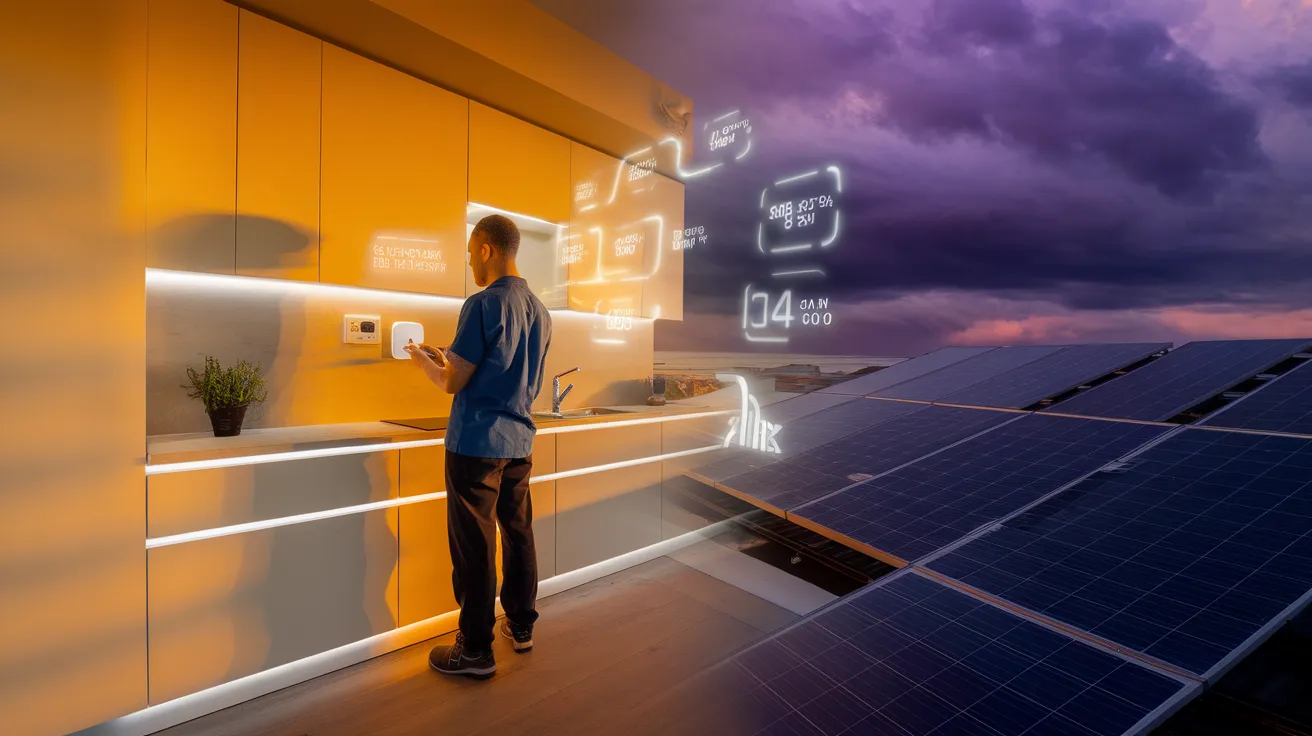
Having understood the impact of weather on your electrical usage, let's explore some effective energy conservation methods from a experienced Naperville electrician. To begin, look into setting up a smart home system. Smart thermostats and lighting solutions can optimize energy consumption based on your habits and preferences, significantly decreasing wastage. Moreover, consider implementing renewable energy alternatives. Solar panels, for example, can produce electricity for your home and even feed excess power back to the grid. This not only cuts your electric bill but moreover contributes to a more sustainable future. Remember any measure you take towards energy efficiency doesn't just decreases your monthly bill but also minimizes the burden on our planet.
Popular Questions
What Components Determine the Amount on Your Electricity Statement?
The rates on your electricity bill are largely influenced by your household's power consumption and rate changes from your utility provider. Using more electricity or shifts in the provider's pricing can cause higher bills.
How Do Your Cooking Appliances Influence Your Electricity Costs?
The way you cook greatly influences your power consumption. When you regularly use power-hungry kitchen equipment, they consume more electricity. By optimizing your appliance usage and switching to energy-saving appliances, you'll see a reduction in your energy costs.
Does Running a Space Heater Affect My Electric Costs?
Indeed, your space heater can dramatically raise your power bills. Astonishingly, space heaters can use ten times the power of LED lights. When your room isn't properly insulated exacerbates the problem, letting warmth leak out and decreasing the efficiency of your space heater.
How Will Solar Panels Influence Your Monthly Electric Bill?
Solar installations can dramatically lower your electric bill. They generate power savings by converting sunlight into electricity, reducing your reliance on the power grid. This results in energy autonomy, and it can significantly reduce your power costs.
Are There Government Programs Available to Help With High Electricity Costs?
Indeed, there are various programs! Consider exploring assistance programs including LIHEAP, or local government utility assistance programs. They're specifically created to support folks who're struggling with high electricity costs, like you currently are.
Closing Remarks
Wondering about your sky-high electric bill? It comes down to the way you use appliances, lights, and temperature control. There's also standby power consumption, electronics usage, and hot water systems, plus the impact of seasonal weather changes. Understanding these elements is essential to lower your utility costs and maximizing energy performance. As your trusted Naperville electrician, I'm here to help you tackle these electricity-draining problems. We can partner to turn your energy expenses into cost savings and establish a home that's both economical and energy-conscious.